
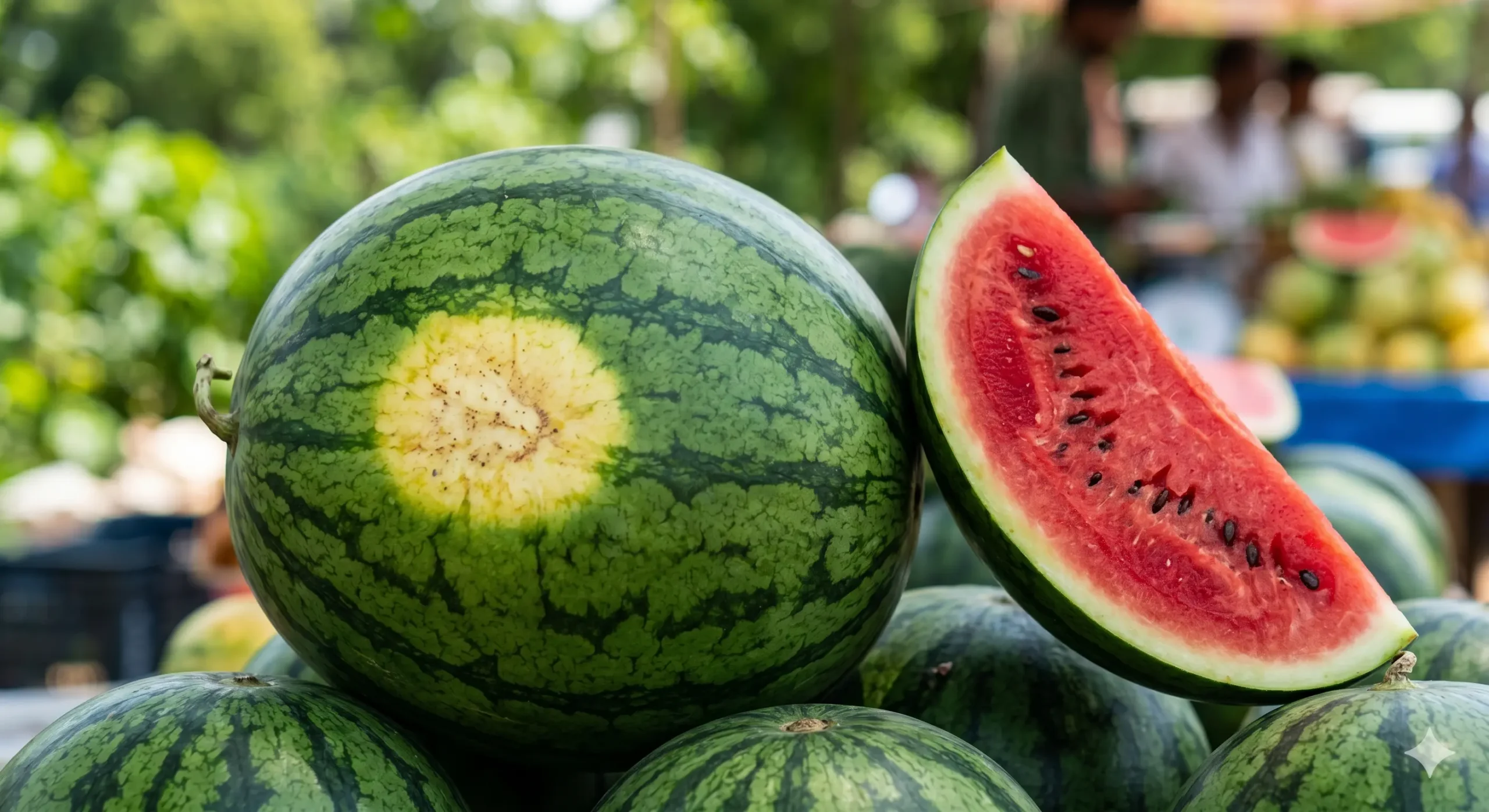
A tragic incident in South Mumbai has left the nation in shock after four members of a single family died within hours of eating dinner. The family—a couple and their two young daughters—reportedly consumed watermelon late at night after a biryani dinner. While the police are still investigating the exact cause, this “silent killer” incident has raised urgent questions about food safety and the hidden dangers of chemically treated fruits.
The Tragic Incident: What Happened in Mumbai?
On the night of April 25, 2026, the Dokadia family in Pydhonie, Mumbai, hosted a dinner with relatives. They all ate biryani, and the relatives left around 10:30 PM. Later, between 1:00 AM and 1:30 AM, the four immediate family members—Abdullah (40), Nasreen (35), Aisha (16), and Zainab (13)—ate a watermelon they had at home.
By early morning, all four began suffering from severe food poisoning symptoms, including continuous vomiting and loose motions. Despite being rushed to JJ Hospital, all four family members tragically passed away.
Can Watermelon Actually Cause Death?
Naturally, watermelon is a healthy fruit. However, experts warn that it can become dangerous due to:
-
Bacterial Growth: Its high water and sugar content make it a breeding ground for bacteria like Salmonella or Listeria if not stored properly.
-
Chemical Adulteration: To make watermelons look bright red and taste extra sweet, some unscrupulous sellers inject them with Erythrosine (a red dye) or sugar water.
-
Contamination: If the fruit is cut with a dirty knife or left in the open for too long, it can lead to fatal sepsis or organ failure.
3 Simple Home Tests to Check if Your Watermelon is Safe
Before you take a bite of that refreshing fruit, perform these quick safety checks:
1. The Cotton Ball Test (For Artificial Color)
Cut a small piece of the watermelon and rub a clean white cotton ball or tissue on the red pulp. If the cotton turns red or pink, the fruit has been injected with artificial dyes. Natural juice should not leave a strong stain.
2. The Water Test
Drop a small piece of the pulp into a glass of water. If the water turns red immediately, it indicates the presence of chemicals. Natural watermelon juice takes time to mix and does not change the water’s color instantly.
3. Check for Injection Marks
Inspect the outer skin of the watermelon carefully. If you see tiny holes or dark spots that look like needle marks, avoid buying it. Also, look for a yellow “field spot”—this is where the fruit rested on the ground, a sign that it ripened naturally.
Critical Food Safety Tips to Remember
-
Wash Before Cutting: Always wash the outer skin thoroughly under running water to remove pesticides or dirt.
-
Storage Matters: Never leave sliced watermelon at room temperature for more than two hours. Store it in a clean container in the fridge.
-
Don’t Ignore Symptoms: If you feel nauseous or start vomiting after eating, seek medical help immediately. In the Mumbai case, the condition worsened within just 4-5 hours.
Refer to the FSSAI guidelines for more on food safety.